Mastering the UPS Shipping Cost Calculator: Negotiate & Save Tips
In the competitive world of e-commerce and logistics, every penny counts. Understanding how to effectively use a UPS shipping cost calculator is more than just a logistical necessity; it's a strategic advantage. Whether you are a small business owner shipping handmade crafts or a logistics manager overseeing a global supply chain, the ability to accurately estimate and reduce shipping costs can significantly impact your bottom line. This comprehensive guide goes beyond simple rate lookups, offering actionable strategies to negotiate better rates, understand hidden fees, and optimize your shipping spend in 2025.
Shipping costs are often one of the largest variable expenses for businesses. By leveraging the right tools and knowledge, you can transform shipping from a cost center into a competitive differentiator. This article will walk you through the nuances of UPS pricing (including hidden surcharges like "DAS"), how to use our advanced calculator to uncover savings, and proven tactics to negotiate favorable terms with carriers. We will also delve into specific comparisons with other carriers and advanced packaging strategies.

How to Use This Calculator Effectively
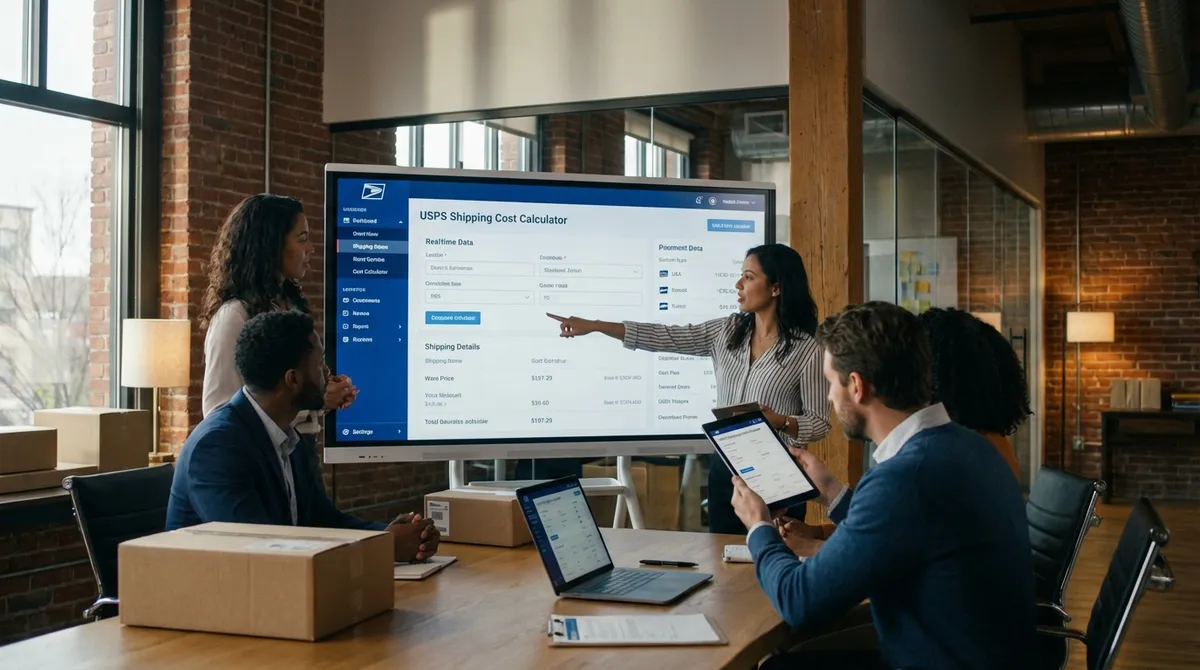
Our specialized UPS Shipping Cost Calculator is designed to provide more than just a price tag. It helps you visualize the impact of different variables on your final shipping cost. Here is a detailed step-by-step guide to getting the most out of this tool:
- Enter Precise Package Details: Input the actual weight and exact dimensions (Length, Width, Height) of your package. Round up to the nearest inch as carriers do. Accurate measurements are crucial for calculating Dimensional (DIM) Weight, which often supersedes actual weight.
- Select Route & Service Level: Choose your destination zone and desired service level (e.g., Ground, 2nd Day Air, Next Day Air). The zone is determined by the distance from your origin zip code. Remember, higher zones mean higher rates.
- Input Volume & Account Status: Enter your estimated weekly shipping volume and whether you currently have a UPS Business Account. This helps estimate potential volume discounts, which can be substantial for frequent shippers.
- Check Optimization Opportunities: Toggle the "Optimized Packaging" option to see how using the right-sized box can save you money by reducing DIM weight penalties. This feature simulates the cost difference if you were to use a box perfectly valid for your item's size.
- Analyze & Export Results: Review the estimated cost, potential savings, and specific tips tailored to your inputs. Use the breakdown to identify if you are overpaying for air services when ground would suffice.
Understanding UPS Shipping Costs: The Hidden Factors
To effectively negotiate and save, you first need to understand the complex components of a UPS shipping rate. The final price you pay is rarely just the published base rate; it is a combination of several factors that can fluctuate based on your shipping profile and market conditions.
1. The Impact of Dimensional Weight (DIM Weight)
One of the most overlooked factors in shipping costs is Dimensional Weight. UPS charges you based on whichever is greater: the actual weight of the package or its DIM weight. DIM weight is calculated by multiplying the length, width, and height of the package and dividing by a divisor (typically 139 for daily rates).
For example, a large but lightweight box (like a pillow in a 24x24x24 box) might weigh 5 lbs on a scale. However, (24x24x24)/139 = 99 lbs. In this case, you will be billed for a 99 lb package! This "air tax" can double or triple your shipping costs if you aren't careful. Our calculator automatically determines this "Billable Weight" so you can see the impact of package size on your costs immediately.
2. Zones and Distance Economics
Shipping zones are geographical areas determined by the distance from the origin zip code to the destination. Zone 2 is typically local (within 150 miles), while Zone 8 is across the country. The further the zone, the higher the base rate.
- Strategy: Utilization of regional fulfillment centers can drastically reduce the average zone you ship to. If you are shipping nationally from a single location, you are paying a premium for Zone 7 and 8 shipments.
- Tip: Zone 2 Ground shipping is extremely cheap and fast (often 1 day). Don't pay for Air services for local deliveries!
3. The "Surcharge" Minefield
Base rates are only half the story. Surcharges can increase your invoice by 30% or more. Common and costly culprits include:
- Residential Surcharge: Charged for every delivery to a home (approx. $5.65+). This is unavoidable for B2C businesses unless you use hybrid services.
- Delivery Area Surcharge (DAS): Applied to zip codes in less populated areas. There are also "Extended" DAS fees for very remote locations.
- Address Correction Fee: A massive fee (approx. $19.50) if you put the wrong zip code or street number. Always use address validation software!
- Additional Handling: Charged for heavy (>50 lbs) or long (>48 inches) packages. This fee has increased significantly in recent years.
- Fuel Surcharge: A percentage-based fee that fluctuates weekly with the price of diesel and jet fuel.
5 Pro Tips to Negotiate & Save on UPS Shipping
Once you understand the baseline costs, you can start implementing strategies to reduce them. Here are five professional tips to help you negotiate better rates and lower your overall shipping spend.
1. Leverage Your Shipping Volume
UPS offers tiered discounts based on shipping volume. Even if you are a small business, you may qualify for the UPS Small Business Program ("UPS Connect") or specific association discounts (e.g., via PayPal or specialized platforms). If your volume is growing, schedule a meeting with your UPS account representative. Be prepared with data: "I shipped 500 packages last month and plan to ship 800 next month. What tier can you move me to?" Explicitly ask for a "tier incentives" review.
2. Optimize Your Packaging (Beat the DIM Weight)
As mentioned earlier, DIM weight can kill your margins. Audit your packaging to ensure you are using the smallest possible box for your items. If you ship products that are durable (clothing, books), consider using poly mailers instead of boxes. Mailers take up significantly less space and often incur lower (or no) DIM weight charges depending on the carrier rules. Investing in a custom box size that perfectly fits your product can save thousands of dollars per year by shaving off just 1-2 inches of "air."
3. Use Hybrid Services for Lightweight Items
For packages under 5-9 lbs that are not urgent, ask your rep about UPS SurePost. This is a hybrid service where UPS handles the long-haul transport, but the USPS handles the final mile delivery to the customer's mailbox. It avoids Residential Surcharges because the USPS visits every house anyway. It is slower (adds 1 day usually) but much cheaper for residential delivery. It is an excellent alternative to UPS Ground for non-time-sensitive B2C shipments.
4. Use a Third-Party Logistics (3PL) Provider or Aggregator
If your volume isn't high enough to negotiate deep discounts directly with UPS, consider using a 3PL or a shipping software aggregator. Platforms like ShipStation, Shippo, or specialized 3PLs aggregate volume from thousands of merchants to negotiate "Commercial Plus" rates that they pass on to you. This can instantly give you access to rates typically reserved for enterprise-level shippers without any negotiation effort on your part.
5. Compare Ground vs. Air for Nearby Zones
For shipments to Zones 2 and 3, UPS Ground often delivers in 1-2 days, effectively matching the speed of expedited services like 2nd Day Air but at a fraction of the cost. Always check the estimated transit time for Ground before paying for Air services. You can use our UPS Calculator to compare transit times and costs side-by-side. Many businesses burn money by defaulting to "2 Day Air" for shipments that would arrive in 2 days via Ground anyway.
Advanced Strategy: Auditing Your Invoices
Negotiating great rates is only the first step. You must also ensure you are actually being billed correctly. It is estimated that 1-3% of shipping invoices contain errors. These can range from:
- Late Delivery Refunds: UPS offers a money-back guarantee on many services. If a package arrives even 1 minute late, you are entitled to a full refund of shipping costs. However, you must claim this refund within 15 days.
- Duplicate Billing: Being charged twice for the same tracking number.
- Incorrect Surcharges: Being charged a Residential Surcharge for a commercial address.
- Voided Labels: Being charged for labels you generated but never used.
You can audit these manually or use automated audit software that connects to your UPS account and claims these refunds for you for a percentage of the savings.
Frequently Asked Questions
Conclusion
Mastering your shipping strategy is a continuous process of analysis and optimization. By using a robust UPS shipping cost calculator and applying the negotiation tips outlined in this guide, you can significantly reduce your logistics expenses. Remember to regularly audit your invoices, optimize your packaging to minimize DIM weight, and stay informed about annual rate changes (Verified 2025 Rates). Shipping should be a facilitator of your business growth, not a barrier.
For more tools to help you manage your business finances, check out our Freight Class Calculator for larger shipments or our Breakeven Point Calculator to see how shipping savings impact your profitability.
Start saving today by inputting your data into the calculator above and uncovering the hidden opportunities in your shipping profile.